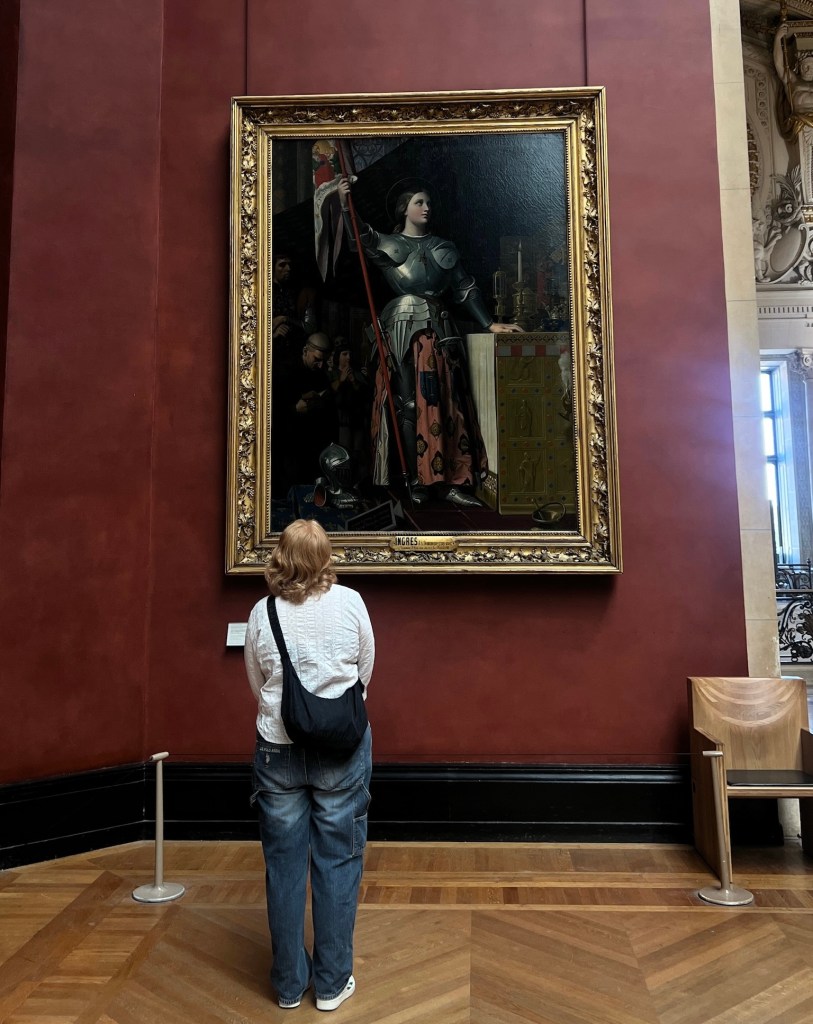
Over the course of my life, I have found that I am more creative in some spaces than others. Why is it that I am more creative in my bedroom and at museums when others are creative in libraries and nature? Turns out, it all boils down to preference. Before we dive into why some spaces are more creative than others, it’s important to understand what a creative space is. Creative spaces can be defined as “physical structures and elements at different scales that are able to support creative work processes and to facilitate creativity. ”(Thoring et al.). Now that we understand what a creative space is, let’s figure out what makes a space creative!
After reading the work of Robert Searles, Lillian K. Cartwright stated, “the importance of the nonhuman environment: nature, the animal kingdom, artifacts made by humans (a book, a chair, a toy, a building) and natural objects (a river, a prairie, a canyon, a cave). Searles considers this kind of relatedness to be a transcendent experience on par with intrarpersonal and interpersonal relationships” (Cartwright). A person’s capacity for creativity does not simply come from within, but from their environment as well.
Whether that environment be a river flowing past them, or a book about Van Gogh that they received as a gift. The relationships that people form with objects around them are just as important as human relationships when it comes to fostering creativity.
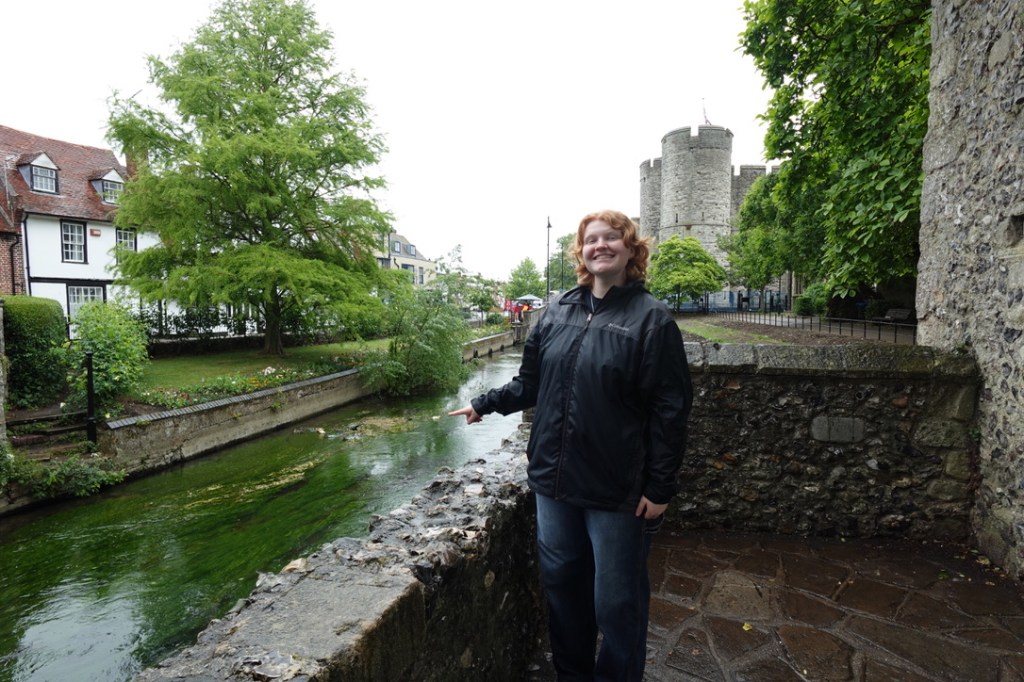
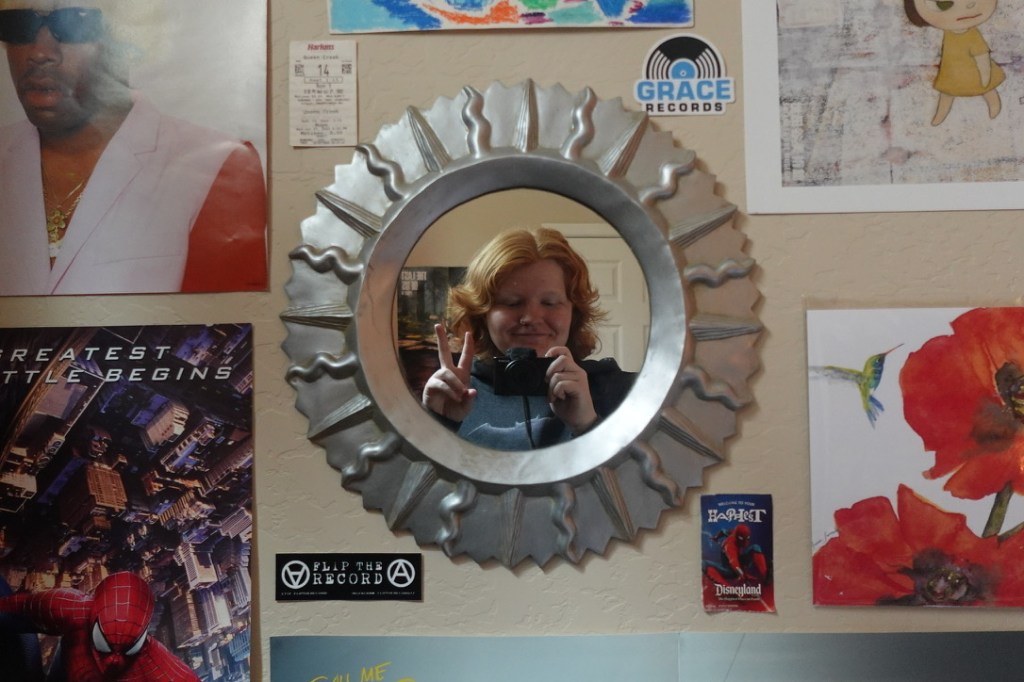
While this backs up why I feel so inspired in my bedroom, where all of my prized possessions are, but not in a public library, it still leaves the question, “Does a person’s environment affect their creativity?” unanswered. Yes, we have established that certain objects can encourage creativity, but what about the space as a whole?
How do things like lighting and greenery affect creativity? It turns out that there are a lot of factors that influence a creative space. A study found that there are 10 propositions that can impact the space on creativity: sources, void, encounters, seclusion, ambiance, views, visual cues, activator, platform for ideas, and variation. (Thoring et al.). While this may sound like a lot of factors, I am going to put them into some categories. Sources, void, ambiance, views, and visual cues are all factors that have to do with the actual space and how our senses react to these factors. For example, sources refer to how the space is filled with inspiration, such as a work of art or a bookshelf filled with classics, and a void refers to the lack of these inspirational items. While void and sources are essentially opposite of each other, they both highlight how a creative space for one person may not be one for another. One person may thrive in an eclectic and trinket-filled room, while the next person may feel overwhelmed by that space. How a room is set up, such as how it is decorated and what the lighting looks like, can also influence how creative people are. Another category is how people interact with the environment. Seclusion, activator, platform for ideas, and variation are all ways in which people are interacting with the creative space or the people in it.
We now know that creativity does not simply come from within, but it is also influenced by the spaces we are in and the people we interact with. The next time you are feeling creative, stop and ask yourself, “Why am I feeling creative? Is the space I am in built for creativity? Or is it the people or objects I am with?” Overall, any space can be creative, it is up to the individual to find the creative space that works best for them.
Works Cited
Cartwright, Lillian. “Introduction: What Are Creative Art Spaces and Why Do They Exist?” World Futures, 73(1), 1–5. (2017). https://doi.org/10.1080/02604027.2017.1311128
Thoring, Katja, et al. “The Architecture of Creativity: Toward a Causal Theory of Creative Workspace Design. ” International Journal of Dsign, 2021, http://www.ijdesign.org/index.php/IJDesign/article/view/406 1/947#5. Accessed 26 Nov. 2025.
 Inside a Creative Mind
Leave a comment